Workplace Injury Prevention Strategies Every Employer Should Implement
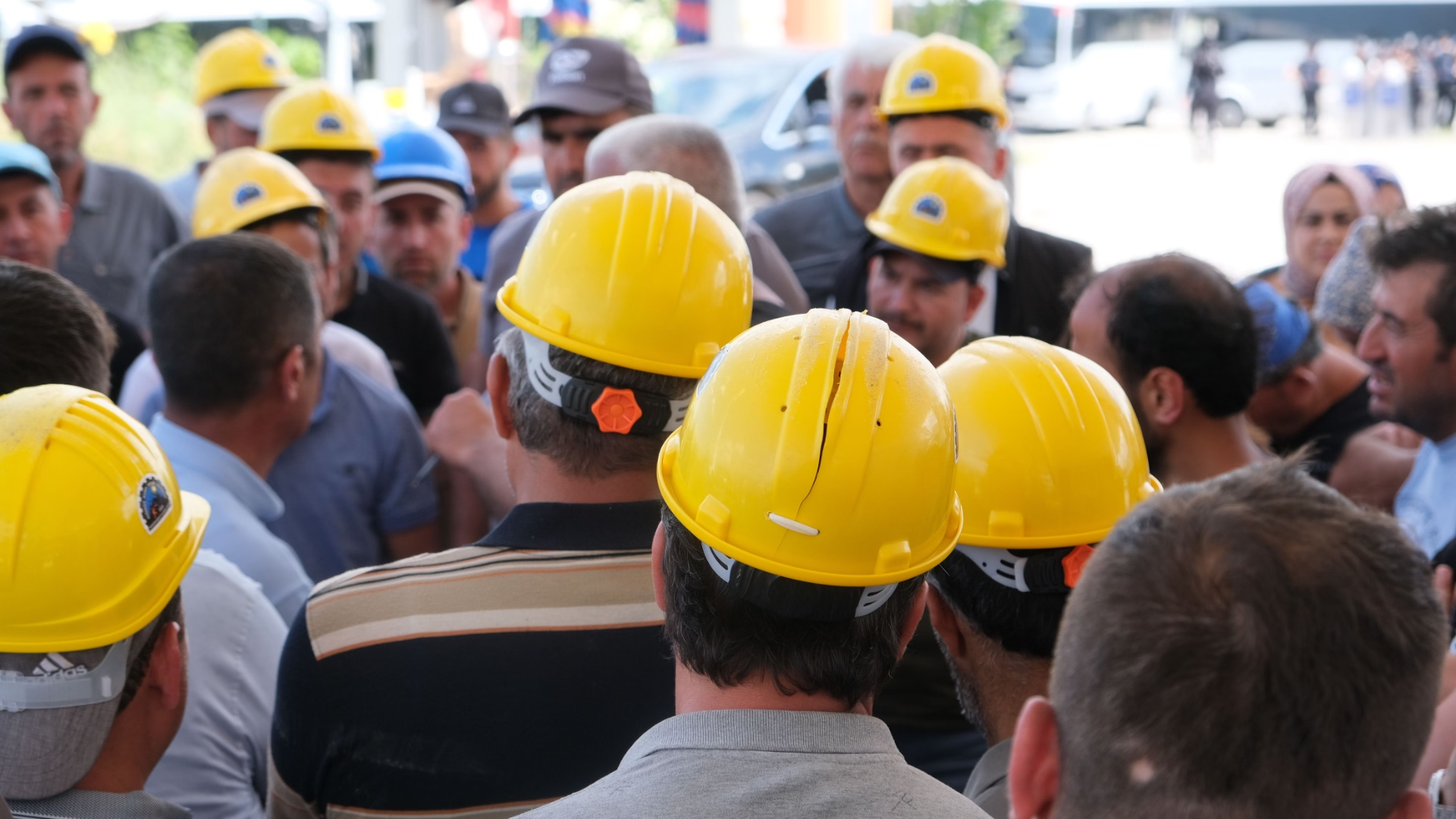
Most workplace injuries are preventable. Employers that pair strong safety protocols with ongoing training and a culture of safety see fewer injuries and lower costs. OSHA sets the legal minimum, but leading companies go further with data-driven occupational safety programs. This guide covers concrete strategies you can apply this quarter to lower injury rates, protect employee health, and make prevention stick. VendorAccess helps you standardize safety protocols, documentation, and vendor compliance across every site.
Why Proactive Workplace Injury Prevention Matters
Preventing workplace injuries takes a proactive, multi-layered approach. Private industry employers reported about 2.5 million nonfatal workplace injuries and illnesses in 2024, a rate of 2.3 cases per 100 full-time equivalent workers. That is the lowest rate on record, but still a large preventable burden on productivity, labor costs, and recovery time.
Acting before an incident beats reacting after one. VendorAccess helps you standardize procedures, coordinate with vendors, and track compliance across facilities. The pillars below are hazard identification, safety training, enforced protocols, and a culture of prevention.
Regulations and Standards: The Foundation of Workplace Safety
Start with OSHA requirements. The General Duty Clause requires employers to keep workplaces free from recognized serious hazards. Standards relevant to most businesses cover hazard communication, fall protection, machine guarding, personal protective equipment (PPE), lockout/tagout, and ergonomics guidance. Construction, healthcare, warehousing, and manufacturing have sector-specific rules.
Compliance is the baseline. Employers who want fewer injuries add internal policies, stricter protocols, and regular self-audits. The basics still trip organizations up. In fiscal year 2025, fall protection ranked first on OSHA’s most-cited list for the 15th straight year, followed by hazard communication, ladders, and lockout/tagout. VendorAccess centralizes regulatory documents, vendor certificates, and training records so you can prove compliance during an inspection.
Identifying and Controlling Workplace Hazards
Systematic hazard identification is the core of occupational safety. Review your hazard control plan at least annually and whenever conditions change, especially for nonroutine tasks. Find hazards through scheduled walkthroughs, equipment reviews, incident trend analysis, and employee feedback.
Common hazards across industries include:
- Material handling: 32% of workers’ compensation claims in one Travelers analysis involved lifting, lowering, or carrying, and overexertion often leads to chronic back problems.
- Slips, trips, and falls: OSHA attributes about 15% of accidental deaths to slips, trips, and falls.
- Fires: among the most dangerous but preventable hazards.
- Repetitive strain: chronic injuries like carpal tunnel syndrome are common in computer tasks.
- Toxic substances and poorly designed workstations.
The hierarchy of controls puts hazard elimination and engineering solutions ahead of lower-tier measures like PPE. Whatever the hazard, document every finding, assign an owner, set a due date, and track it to closure. Keep tools and machinery on a strict preventive maintenance schedule. Track leading indicators like near-miss reports, not just lagging indicators like recordable incidents.
Training Employees for Safer Work
Effective training goes beyond orientation videos. Build role-specific content with hands-on demonstrations and scenario-based exercises in every department.
Core topics to cover:
- Hazard recognition and proper lifting techniques, including body mechanics to minimize strain
- Lockout/tagout basics, ladder and fall safety, and fire response
- Ergonomics, safe chemical handling, and correct use of equipment for each task
Train all employees, and refresh at least annually or whenever you introduce new processes. Use toolbox talks, online micro-learning modules, and multilingual materials for diverse workforces. HR and safety teams can use VendorAccess to assign training, monitor participation, and verify that contractors meet the same standards.
Core Safety Protocols and Practices
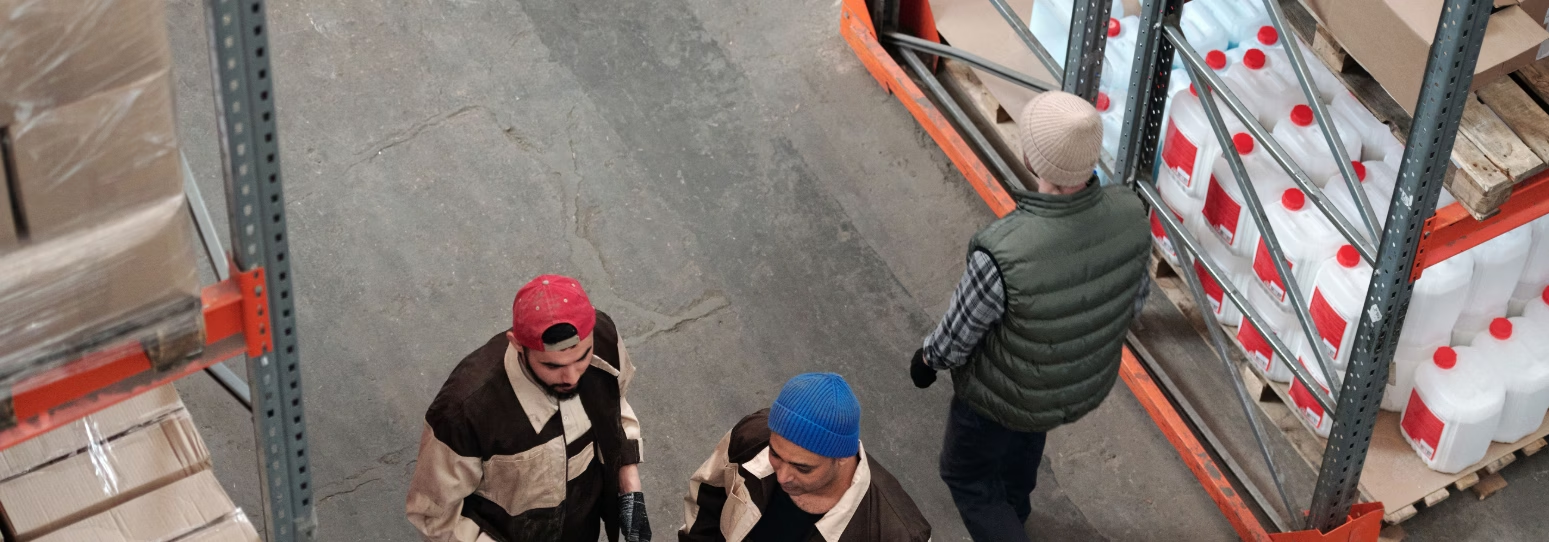
Written, consistently enforced protocols turn policy into daily behavior. Maintain written procedures for incident and near-miss reporting, emergency response, PPE requirements, equipment inspection, and lockout/tagout. Post checklists and signage near workstations.
Daily practices that work:
- Pre-shift safety huddles to keep awareness high
- Housekeeping standards to prevent slips and trips
- Scheduled equipment maintenance
- Stretch breaks that reduce fatigue and physical strain
Ergonomics means fitting the workspace to the employee. Design workstations to reduce repetitive strain and awkward postures, and use ergonomic assessments to catch injury risks before they get costly. Make sure properly fitted PPE is readily available.
Involve frontline workers when drafting protocols so procedures are realistic. VendorAccess provides version control and pushes updates to vendors, so everyone works from the latest procedures.
Building a Safety-First Culture
Culture decides whether rules are followed when no supervisor is nearby. Leaders set the tone by joining safety walks, reviewing safety metrics quarterly, and funding risk reduction.
Encourage participation through safety committees, suggestion programs, and recognition for engaged teams. Offer anonymous reporting for hazards and near-misses, and hold regular safety meetings to keep safety visible.
Take a just culture approach: investigate why a protocol failed instead of assigning automatic blame. Owens Corning’s “Safer Together” initiative reported a 31% reduction in recordable injuries and a 55% reduction in serious injury potential incidents by aligning leadership commitment across its sites. VendorAccess supports the same alignment by bringing internal staff and outside vendors around shared expectations and corrective action workflows.
Measuring Progress and Continuously Improving
What gets measured gets improved. Treat injury prevention as ongoing quality improvement, and run regular safety audits across all facilities.
Track two kinds of indicators:
- Lagging: recordable injuries, lost-time incidents, workers’ comp costs
- Leading: training completion rates, near-miss reports, audit findings closed on time
Set time-bound goals, such as reducing falls by 20% within 12 months or reaching 100% completion of critical safety training. Review the data quarterly, spot patterns, and reprioritize resources. Reinforce proper lifting techniques and track their effect on back injuries. Regular inspections catch hazards before they cause illness or lost productivity.
Use VendorAccess to centralize records, report to leadership, and document improvements for regulators. Share results with workers so they see that reporting hazards leads to real change.