What Is Vendor Management and Why It Matters in Property Management
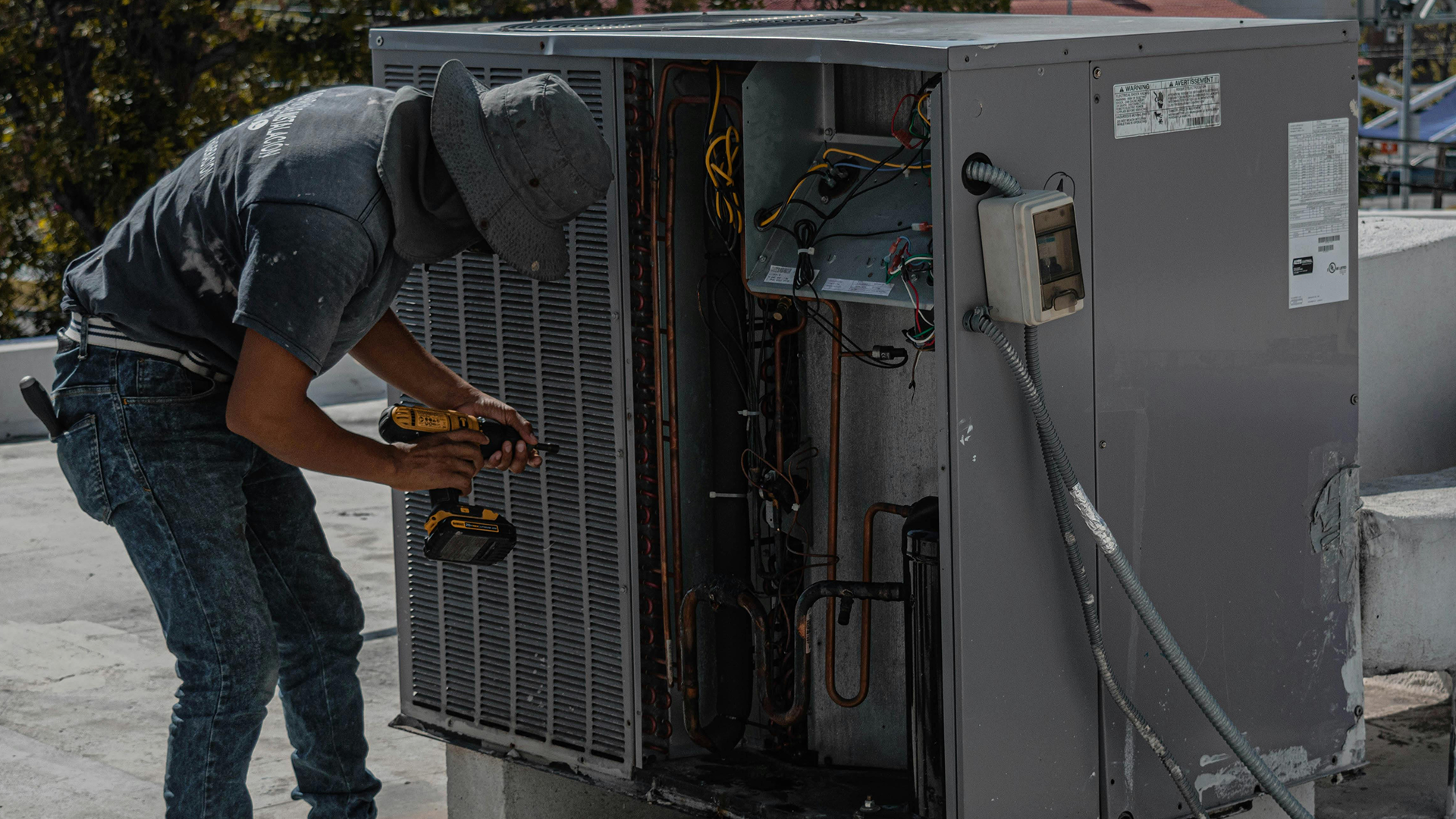
In today’s property management landscape, vendor relationships are no longer just "service calls, "they are strategic assets. With rising maintenance costs and tightening regulations, how you manage your external workforce directly dictates your Net Operating Income (NOI) and asset value.
For property managers and owners, a "handshake and a spreadsheet" approach is a liability. Transitioning to a structured, software-driven vendor management strategy is the only way to scale effectively.
Why Strategy Beats Ad-Hoc Handling
Relying on personal cell phone contacts and manual filing leads to "operational chaos." A systematic approach, supported by vendor relationaship platform transforms this chaos into a competitive advantage.
The Direct Impact of Professional Oversight:
- Financial Control: Eliminate "cost creep" and unverified invoices.
- Risk Mitigation: 31% of cyber insurance claims now involve third-party risks. Structured vetting protects you from litigation and data breaches.
- Tenant Retention: Residents don't care who the contractor is; they care that the leak stopped. Reliable vendors equal higher renewal rates.
- Compliance: Automated tracking ensures you never miss a fire safety inspection or use an uninsured plumber.
The Vendor Lifecycle: From Sourcing to ROI
Effective vendor management isn't a one-time setup; it’s an end-to-end process:
- Qualification & Vetting: Before a vendor sets foot on-site, verify their licenses, insurance, and safety records.
- SLA Definition: Move beyond vague promises. Set hard Service Level Agreements (e.g., "Emergency HVAC response within 4 hours").
- Onboarding: Centralize W-9s and banking details immediately to avoid payment delays.
- Performance Tracking: Use data, not "gut feelings," to evaluate fix rates and tenant satisfaction scores.

Comparing Strategic Benefits and Operational Risks
The difference between a structured vendor strategy and an ad-hoc approach is often the difference between a profitable year and a liability-filled one. When you utilize centralized data, you gain a single source of truth across your entire portfolio, whereas neglecting this leads to dangerous compliance gaps and expired insurance policies. Similarly, implementing standardized RFPs allows for competitive bidding that significantly reduces total spend; without this, you risk paying above-market rates for routine maintenance.
From an efficiency standpoint, automated workflows drastically reduce administrative overhead, while manual handling inevitably leads to human error and sluggish repair responses. Finally, leveraging performance analytics enables you to identify and reward your top-tier partners, ensuring high-quality service, whereas failing to track these metrics often results in reputational damage due to poor workmanship and inconsistent standards.
Leveraging Technology: The VendorAccess Advantage
In 2026, spreadsheets are the enemy of scale. A dedicated Vendor Management System (VMS) like VendorAccess integrates directly into your workflow, linking vendors to specific properties and maintenance tickets.
Essential Features for Modern Portfolios:
- Automated Expiration Alerts: Get notified 30–60 days before a vendor’s insurance or license expires.
- Mobile Field Integration: Vendors update status and upload "before and after" photos directly from their phones.
- Portfolio-Wide Spend Transparency: See exactly where your maintenance budget is going across multiple cities or states.
- SLA Dashboards: Monitor real-time adherence to your response time requirements.
Implementation Roadmap
- Audit: Compile all existing contracts and identify gaps in documentation.
- Segment: Categorize vendors by trade and criticality. Identify where you need backups.
- Standardize: Set minimum insurance and safety requirements across the board.
- Deploy: Implement VendorAccess to automate compliance and communication.
- Iterate: Review vendor scorecards quarterly to optimize your panel.
Position Your Portfolio for Success
The difference between a high-performing asset and a struggling one often comes down to the quality of the people maintaining it. By professionalizing your vendor management, you protect your residents, your reputation, and your bottom line.
Is your current vendor process ready for the demands of 2026?