How Vendors Can Build Better Relationships With Property Managers

If you’re a plumber, HVAC technician, landscaper, cleaner, or contractor serving rental properties, you already know that 2024 and 2025 have brought unique pressures. Labor markets remain tight, material costs fluctuate unpredictably, and tenants expect faster, higher-quality service than ever before. The vendors who thrive in this environment aren’t necessarily the cheapest or even the most skilled—they’re the ones who build strong vendor relationships with the property managers who control the work orders.
Choosing the right vendors is the first step to building strong vendor relationships. Selecting reliable, transparent, and experienced vendors who understand rental property needs lays the foundation for trust and long-term collaboration.
This article is written specifically for vendors who want to move beyond one-off emergency calls and into the steady, predictable revenue that comes from being a property manager’s first choice. Whether you handle emergency repairs, cleaning services, system maintenance, or large-scale renovations, the principles here will help you stand out in a crowded market. We’ll cover key strategies for building strong vendor relationships in property management.
Here’s what you gain when you invest in building strong vendor relationships:
- Steadier work orders across seasons: Property managers with 50+ unit portfolios need reliable partners year-round, not just during peak rental turnover in summer.
- Faster invoice approvals and predictable cash flow: Trusted vendors get paid on time because managers know their work is done right.
- Priority on larger portfolio projects: When a regional portfolio needs a vendor for multiple properties, managers call the partners they trust first.
- Reduced competition for each job: Once you’re a preferred vendor, you’re not bidding against five other contractors every time.
- Easier access through digital tools: Many managers now use platforms like VendorAccess.com to organize vendor relations, and vendors who adapt to these systems are simply easier to hire and keep.
- Significant cost savings through better negotiation power: Effective vendor management allows both parties to negotiate better rates and terms, benefiting from long-term collaboration.
The rest of this article breaks down exactly how to position yourself as that go-to vendor—from your first proposal to multi-year partnerships.
Understand a Property Manager’s World Before You Pitch
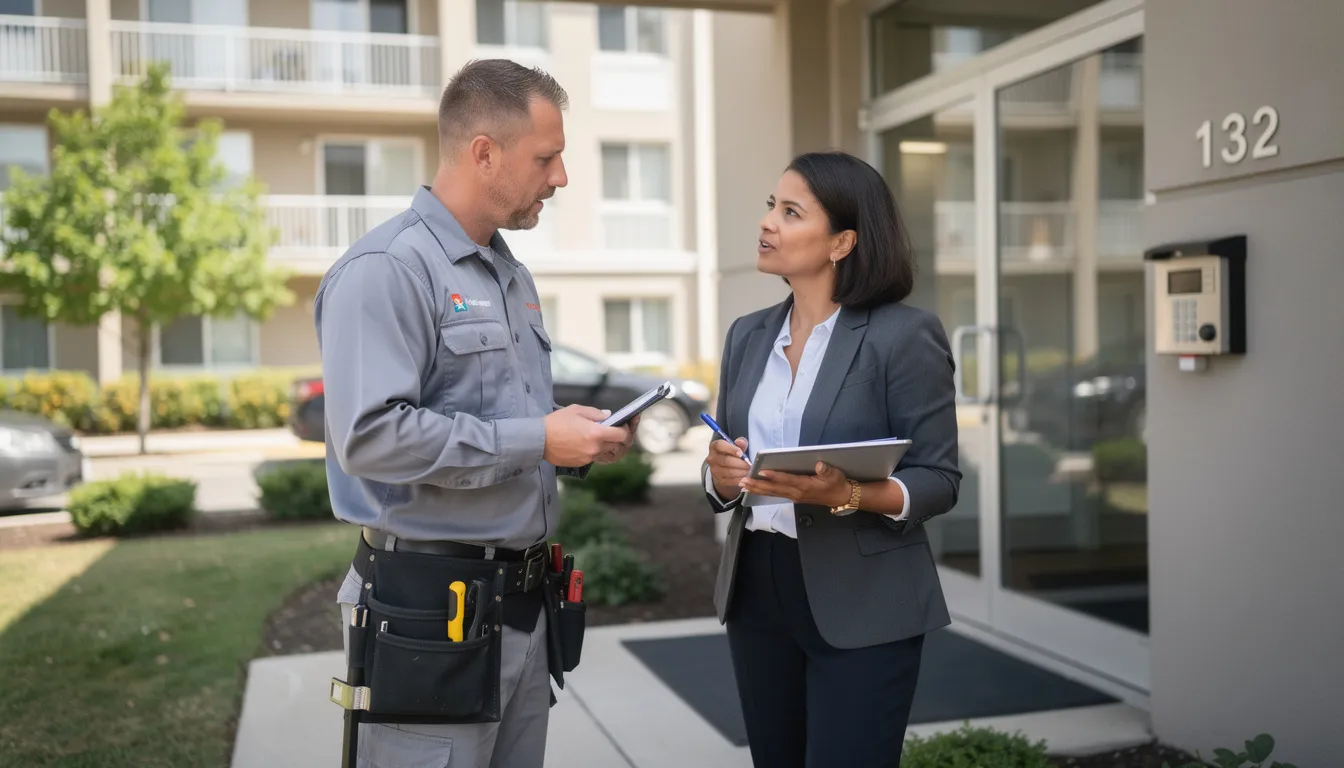
Before you send your first proposal or ask for more work from a property manager, step back and understand what their day actually looks like. This awareness is what separates vendors who get callbacks from those who get ghosted.
A typical property manager juggles responsibilities that would overwhelm most small business owners. Consider what they’re dealing with on any given Tuesday:
- Managing 100+ residential units or a mix of commercial and residential properties
- Fielding 15–30 maintenance tickets per day during peak seasons
- Balancing owner budgets that often leave little room for unexpected expenses
- Staying compliant with local licensing boards, fair housing laws, and equal housing opportunity requirements, ensuring equal housing opportunity throughout the Nation
- Keeping tenant satisfaction high enough to maintain occupancy and positive online reviews
- Being available for emergencies at 2 a.m., 6 a.m., or whenever a pipe bursts
Vetting vendors is a critical part of a property manager’s job, but researching each vendor carefully—by checking reviews, credentials, and vendor past clients—is a time-consuming process.
Now consider the vendor pain points that make property managers hesitant to try someone new:
- No-shows and late arrivals that force managers to explain delays to angry tenants
- Vague quotes that turn into surprise change orders after work begins
- Incomplete documentation that leaves managers scrambling to justify costs to owners
- Slow follow-up that keeps work orders open for days longer than necessary
- Poor communication that generates dozens of “just checking in” calls
- Difficulty vetting vendors thoroughly, including the challenge of consulting vendor past clients to assess reliability and service quality
Vetting vendors can be challenging and requires continuous effort to ensure strong, reliable partnerships.
Picture this scenario: It’s 3 a.m. in January in Denver. A water heater fails in a 24-unit building, flooding a ground-floor unit. The property manager gets the call from a panicked tenant. Who do they call? The vendor who answers within 10 minutes, confirms they can be on-site within the hour, and texts updates until the problem is resolved. That vendor just became the first call for the next five years.
Vendors who demonstrate awareness of these realities—in their emails, phone calls, and proposals—immediately position themselves as partners rather than just service providers. This professional relationship begins with empathy for the manager’s constraints.
Be Easy to Work With: Effective Communication That Property Managers Trust
Responsiveness and clarity are the fastest ways to move onto a property manager’s “first call” list. Communicating effectively is essential to building trust, avoiding misunderstandings, and ensuring smooth vendor collaboration. Property managers don’t have time to chase vendors for updates, clarify vague estimates, or wonder if someone is actually showing up. The vendors they trust are the ones who remove friction from every interaction.
Here’s how to communicate like a preferred vendor:
- Set concrete response time targets: Answer new work order emails within 1 business hour on weekdays. For emergency calls when you’re on-call, confirm within 10–15 minutes. If you can’t respond immediately, set up an auto-reply that tells managers when to expect your callback.
- Send clear written estimates: Break down labor and materials line by line. Include realistic start and finish dates. Specify what is and isn’t included. Avoid vague language like “TBD” or “price may vary significantly.” A good vendor completes estimates that managers can forward directly to property owners without additional explanation.
- Confirm details in writing after phone calls: After any phone conversation, send a brief email or text confirming the date, unit number, scope, and agreed price. This prevents disputes and gives the manager a reference they can easily find later. Example: “Confirming: Unit 4B at 123 Oak Street, garbage disposal replacement, $185 flat rate, scheduled for Thursday 9am–11am.”
- Use the communication channels managers already prefer: If they use email, respond via email. If they message through a portal like VendorAccess.com, respond there. Don’t force property managers to check three different platforms to track your conversations.
- Send concise status updates during jobs: Text when you arrive, when you’re waiting on parts, and when the job is complete. Include before/after photos. This eliminates the need for managers to check in repeatedly, freeing them to handle other properties.
- Provide constant updates using automated tools: Use property management software or automated messaging tools to keep property managers informed in real time. This helps avoid follow-ups from property managers and improves vendor collaboration.
- Keep phone calls brief and purposeful: When you do need to call, state the issue, your proposed solution, and what you need from the manager. Document the outcome of all phone calls in a follow-up message.
Effective communication isn’t about being available 24/7—it’s about being reliable, clear, and proactive so property managers never have to wonder what’s happening with their work orders. Effective vendor collaboration is built on clear communication, and leveraging technology can further improve vendor collaboration and streamline your interactions.
Deliver Consistently Excellent Work and Document It
Once you’re hired, consistent quality and proof of work are what move you from “try them once” to “preferred partner.” Property managers have long memories for vendors who create problems—and even longer memories for those who make them look good.
Here’s how to deliver high quality work and document it effectively:
- Set and meet concrete service standards: Commit to same-day response for non-emergency calls within 25 miles. Target 24–48 hour turnaround for standard work orders. For common make-ready tasks in 2-bedroom units, aim for 72-hour completion. Communicate these standards upfront so managers know what to expect.
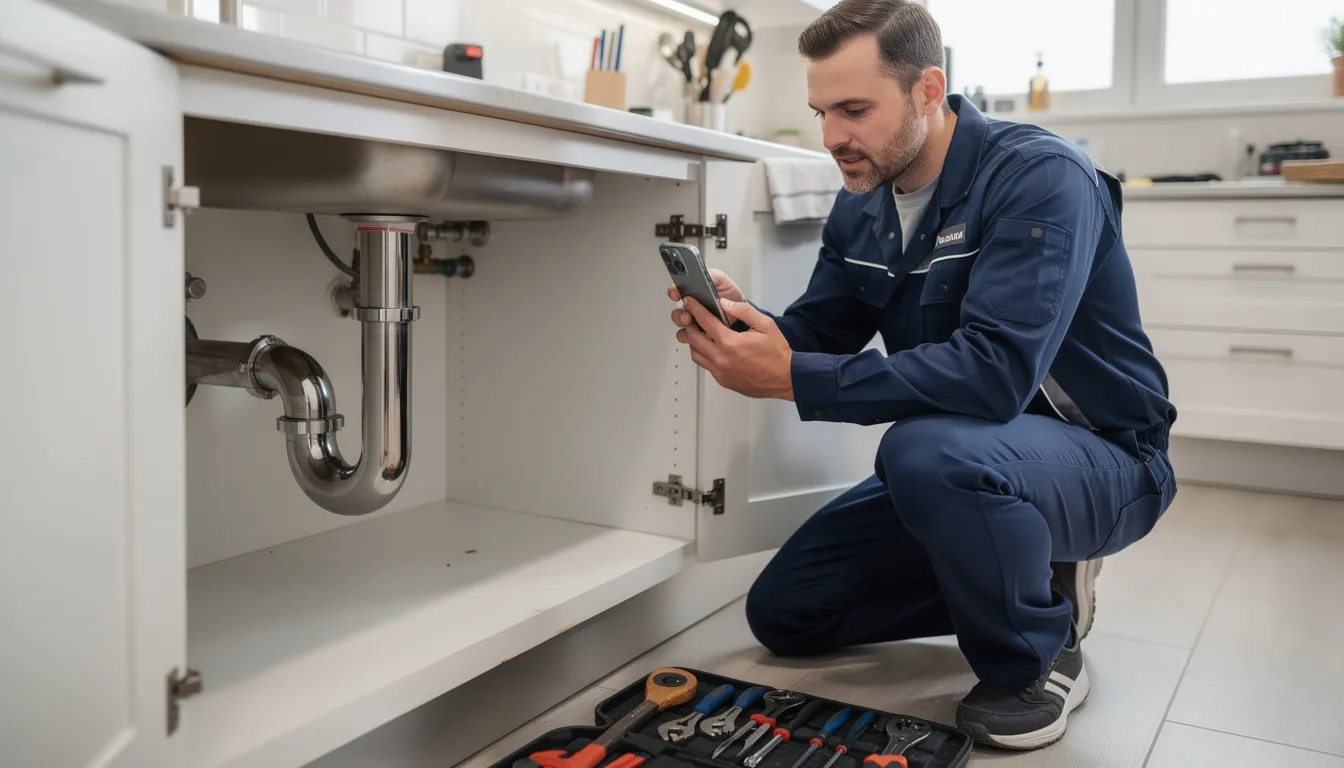
- Document every job thoroughly: Take time-stamped photos before, during, and after the work. Include basic notes on what was found, what was completed, and any recommendations to prevent future issues. This documentation protects both you and the manager.
- Provide owner-ready explanations: Property managers often have to justify expenses to owners who question every invoice. Include concise descriptions on your invoices that explain why the work was necessary and what value it provides. Example: “Replaced corroded water heater anode rod to extend equipment life and prevent premature tank failure.”
- Leave units and common areas clean: No debris left in hallways, no muddy footprints in units, no tools forgotten on counters. Property managers hear directly from residents when vendors leave a mess, and those complaints reflect poorly on the manager.
- Track your own performance metrics: Monitor your punctuality, callback rates, and warranty work internally. Regularly audit your vendor's performance to uncover opportunities for improvement and cost efficiency. After six months, you can present these metrics to property managers, showing them you take your vendor’s performance seriously and continuously improve. Providing constructive feedback to vendors also fosters a culture of continuous improvement.
- Handle access professionally: For repetitive maintenance like HVAC checks or cleaning services, coordinate convenient access methods—remote key options, scheduled entries, or tenant introductions for multi-visit jobs. A good vendor should be willing to correct mistakes without additional fees.
Property maintenance and high quality work go hand in hand. The vendors who document everything and maintain high standards become indispensable because they make property managers’ jobs easier and help maintain relationships with both owners and tenants. Addressing your concerns professionally is key to maintaining strong relationships over time.
Price and Bill Like a Long-Term Partner, Not a One-Time Contractor
Pricing is part of the relationship, not separate from it. Property managers don’t always choose the cheapest bid—they choose the vendor they can easily explain to owners and asset managers. Being cost effective doesn’t mean being the lowest price; it means delivering predictable value with no surprises.
Here’s how to price and bill for long term partnerships:
- Create clear rate sheets for 2024–2025: Give property managers a document they can keep on file with your standard hourly rates, after-hours/emergency rates, trip charges, and common flat fees. Example flat fees might include: garbage disposal replacement ($175), standard lock change ($95), basic toilet repair ($125).
- Offer portfolio or volume-based incentives: When a manager commits to using you across 5+ buildings or guarantees a minimum monthly work volume, offer discounted rates. This helps you secure preferential pricing arrangements that benefit both parties. Example: “10% discount on labor for properties when we service your full portfolio.”
- Bill predictably and promptly: Send invoices within 24–48 hours of job completion, linked to work order numbers and property names. Consistent billing cycles (weekly or bi-weekly) help managers plan their cash flow and approve payments faster.
- Be transparent when costs change: If materials or code requirements push a job beyond the original estimate, notify the manager before proceeding. Give them a revised quote they can approve and forward to the owner. Surprise change orders destroy trust faster than almost anything else.
- Structure invoices for easy approval: Include the property address, unit number, work order reference, date of service, itemized labor and materials, and total. Managers should be able to glance at your invoice and immediately match it to their records.
- Track everything in one place: Using a centralized portal like VendorAccess.com helps both sides avoid lost paperwork and payment delays. When approvals, quotes, and invoices live in one system, disputes become rare and payments speed up.
Cost effective property maintenance comes from predictability and transparency, not just low prices. Vendors who bill cleanly and communicate about costs before surprises happen earn the trust that leads to significant savings for managers over time—and more work for themselves.
Use Property Management Software to Become a “Preferred” Vendor
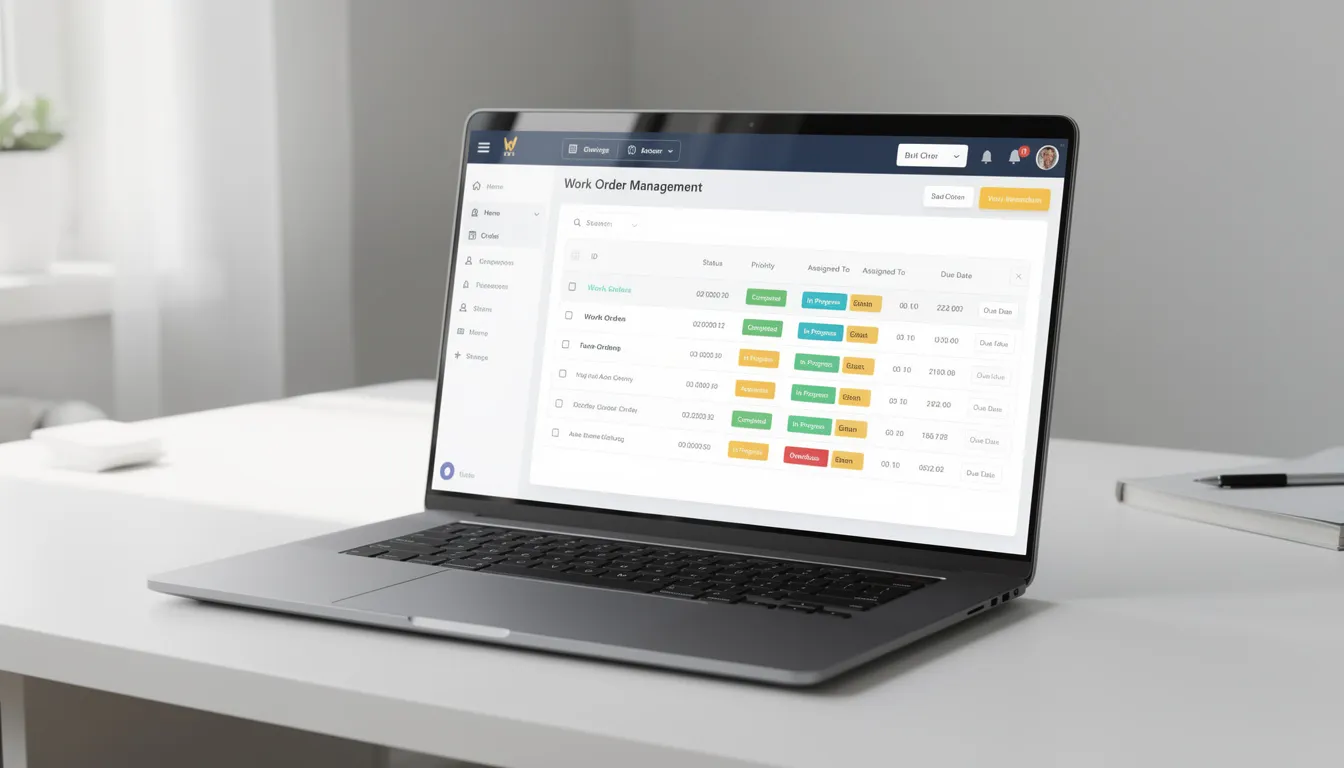
Property managers increasingly expect vendors to plug into their digital workflows. Paper invoices, voicemail tag, and scattered text messages create friction that slows everything down. Implementing property management software compatibility isn’t optional anymore—it’s table stakes for vendor management in 2025.
Here’s what tech-savvy vendors do to stand out:
- Master basic digital capabilities: Send estimates via email, use digital signatures for contracts and written agreements, submit invoices online, and store your W-9, insurance certificates, and licenses in secure digital formats.
- Register in the property manager’s chosen vendor system: Platforms like VendorAccess.com centralize scheduling, approvals, and payment tracking. When you’re fully set up in the manager’s system, they can assign you work with a few clicks instead of a chain of emails and phone calls.
- Keep compliance documents current: Insurance certificates expire. Licenses need renewal. Set reminders to update these documents in whichever portal the manager uses so you never get paused from new work for compliance reasons.
- Organize your own operations digitally: Use shared calendars for crew schedules, job-tracking tools for status updates, and consistent naming conventions for work orders that match the manager’s records. This makes coordination seamless.
- Align with, don’t replace, the manager’s systems: Don’t push your own scattered methods. If they use VendorAccess.com, work within VendorAccess.com. Convenient tech based ways of communicating only work when both parties use the same tools.
- Present yourself as a professional partner: Tech-savvy vendors are easier for property managers to justify as “preferred partners” when reporting to owners and corporate leadership. Your digital fluency signals that you take the relationship seriously.
Property management software has transformed how managers organize their network of dependable vendors. Vendors who embrace these tools get more work because they’re simply easier to hire, track, and pay. Embracing technology and building strong vendor relationships help keep rental property in good condition and lead to better property outcomes for both owners and tenants.
Handle Problems Professionally and Turn Mistakes Into Loyalty
Even top-performing vendors occasionally miss an appointment, receive a tenant complaint, or need to return for a callback. These moments test vendor relationships—and how you respond often determines whether you stay on the manager’s shortlist or get quietly dropped.
Here’s how to handle problems like a professional:
- Acknowledge issues quickly: When something goes wrong, respond within hours, not days. A fast acknowledgment tells the property manager you take their concerns seriously.
- Investigate before defending: Before explaining what happened, gather the facts. Talk to your team member who was on-site. Review your notes. Understanding the actual issue prevents you from making excuses for something you should own.
- Propose a specific fix with a timeline: Don’t leave the manager wondering what happens next. Example: “I can have our senior tech back at Unit 7B tomorrow at 10 a.m. to correct the valve installation at no additional charge.”
- Follow up in writing once resolved: After the issue is fixed, send a brief message confirming the resolution. Ask the manager if the tenant is satisfied and if there’s anything you should change about how you communicate or schedule with their team.
- Own legitimate mistakes without defensiveness: If you or your team made an error, say so plainly. Adjust the invoice if appropriate. Explain what process change you’re making to prevent the issue from recurring. Constructive feedback from managers is valuable—use it.
- Keep internal notes on recurring issues: If a specific property has difficult access or a particular tenant is hard to reach, document it. Your next visit will be smoother, and the property manager will notice your attention to detail.
Handling issues and maintaining accountability transforms occasional mistakes into opportunities to demonstrate reliability. A vendor who handles problems professionally often earns more loyalty than one who never makes a mistake in the first place.
Grow the Relationship: Building Strong Vendor Relationships from One-Off Jobs to Strategic Partnerships
The most profitable vendor–property manager relationships last for years and expand to multiple properties. A professional relationship commences when both parties agree on expectations and communication, setting the stage for a strong, effective partnership. Long term vendor partnerships don’t happen by accident—they require proactive effort from vendors who see beyond the current work order.
Here’s how to grow from one-off jobs to strategic partnerships:
- Ask satisfied managers for additional opportunities: After a few successful jobs, reach out proactively. Offer seasonal maintenance programs (spring HVAC checks, fall gutter cleanings), annual inspections, or standardized turn packages for vacated units. Many managers don’t think to ask—they’re waiting for a quality vendor to suggest it. Choosing the right vendors is crucial for building long-term partnerships, as managers value vendors who are transparent, reliable, and understand rental property needs.
- Explore simple service agreements for recurring work: A monthly common-area cleaning contract for a 40-unit building, quarterly landscaping, or annual system maintenance. Put the scope, pricing, and response times in writing. These vendor contracts provide predictable revenue for you and reliable service for the manager.
- Send periodic performance summaries: After 6–12 months (or quarterly for larger portfolios), send a brief, data-backed summary showing the number of jobs completed, average response times, and any cost-saving recommendations you made. This demonstrates you’re tracking your own work and investing in the relationship. Long-term vendor partnerships typically grow out of numerous positive interactions over time.
- Request testimonials and referrals: Once trust is built through numerous positive interactions, ask the manager if they’d provide a testimonial or case study. Ask if they manage additional properties or markets where you could support them. Strong vendor relationships lead to referrals within their professional network.
- Review the relationship regularly: Set annual review appointments to discuss pricing, scope, and any changes in the manager’s portfolio. Developing long term partnerships means treating the relationship as something that evolves, not a static arrangement.
Successful property management depends on building strong vendor relationships that scale. Managers with growing portfolios need dependable vendors who can grow with them—across properties, markets, and service types. Developing long-term partnerships with quality vendors can save time and ensure accurate maintenance and repairs.

Invite and Act on Constructive Feedback to Strengthen Trust
Strong vendor relationships don’t just happen—they’re built on a foundation of open communication, mutual respect, and a willingness to grow together. One of the most effective ways property managers can maintain strong vendor relationships is by actively inviting and acting on constructive feedback from their vendors. This approach not only strengthens trust but also leads to more effective vendor management and cost-effective property maintenance.
To foster this environment, property managers should create convenient, tech-based ways for vendors to share their experiences and suggestions. Implementing property management software that includes feedback tools, scheduling regular check-ins, or sending out brief surveys after completed jobs are all practical strategies. These methods make it easy for vendors to provide honest input, ensuring that concerns are addressed before they become bigger issues.
When feedback is received, it’s essential for property managers to respond promptly and professionally. Acknowledging vendor input and taking visible steps to address concerns demonstrates a commitment to maintaining a professional relationship and cultivating mutual respect. This proactive approach can lead to preferential pricing and priority service, as vendors are more likely to go the extra mile for managers who value their expertise and opinions.
Acting on feedback also helps property managers identify opportunities to improve their vendor management processes. By tracking feedback and vendor performance through property management software, managers can spot trends, address recurring issues, and refine their approach to property maintenance. This level of accountability ensures that only the most dependable vendors remain in the network, leading to better property management outcomes and high-quality work for every rental property.
Maintaining detailed records of feedback and vendor performance is key to successful property management. It allows property managers to make informed decisions about long-term collaboration, ensuring that relationships lead to better results for all parties involved. This process also supports equal housing opportunity by ensuring that all vendors are treated fairly and evaluated based on their performance and professionalism.
Ultimately, inviting and acting on constructive feedback is a cornerstone of effective vendor management. By prioritizing open communication, accountability, and continuous improvement, property managers can build long-term vendor partnerships that deliver cost-effective property maintenance and high-quality service. This commitment to maintaining strong vendor relationships benefits rental property owners, tenants, and vendors alike—creating a win-win scenario that sets the standard for successful property management.
Conclusion: Make Property Managers’ Lives Easier—and They’ll Keep Calling You
Vendors earn more and better work when they focus on one core principle: making property managers’ lives easier. Responsive communication, reliable quality, clean documentation, and transparent pricing aren’t just nice-to-haves—they’re what transform a vendor from interchangeable service provider into indispensable partner. Vendor collaboration and key strategies such as effective communication, mutual respect, and long-term collaboration are essential for building strong vendor relationships. When you cultivate mutual respect and demonstrate that you understand rental properties unique needs, you become the first call, not the last resort.
Adopting the tools and processes property managers already rely on—such as centralized vendor systems like VendorAccess.com—helps you stand out and stay top-of-mind when new jobs come in. Property managers talk to each other, and a rental property owner who hears good things about you from their manager is more likely to approve your invoices without question.
Here’s your action plan for this month:
- Audit your current processes: How quickly do you respond to new work orders? How clear are your estimates? Is your insurance certificate current in your managers’ systems?
- Choose 2–3 improvements: Maybe it’s faster response times, better photo documentation, or finally getting set up in VendorAccess.com.
- Communicate those upgrades to your key property manager clients: Let them know you’re investing in the relationship and ask what else would make their job easier.
Maintaining strong vendor relationships isn’t a one-time effort—it’s an ongoing commitment to being the vendor every property manager wants to call. In 2026, property managers are prioritizing convenience, service quality, and technological stability for tenant retention. Start this week, and by next quarter, you’ll see the difference in your work orders, your cash flow, and your reputation.