EPA RRP certification: Steps for renovation contractors
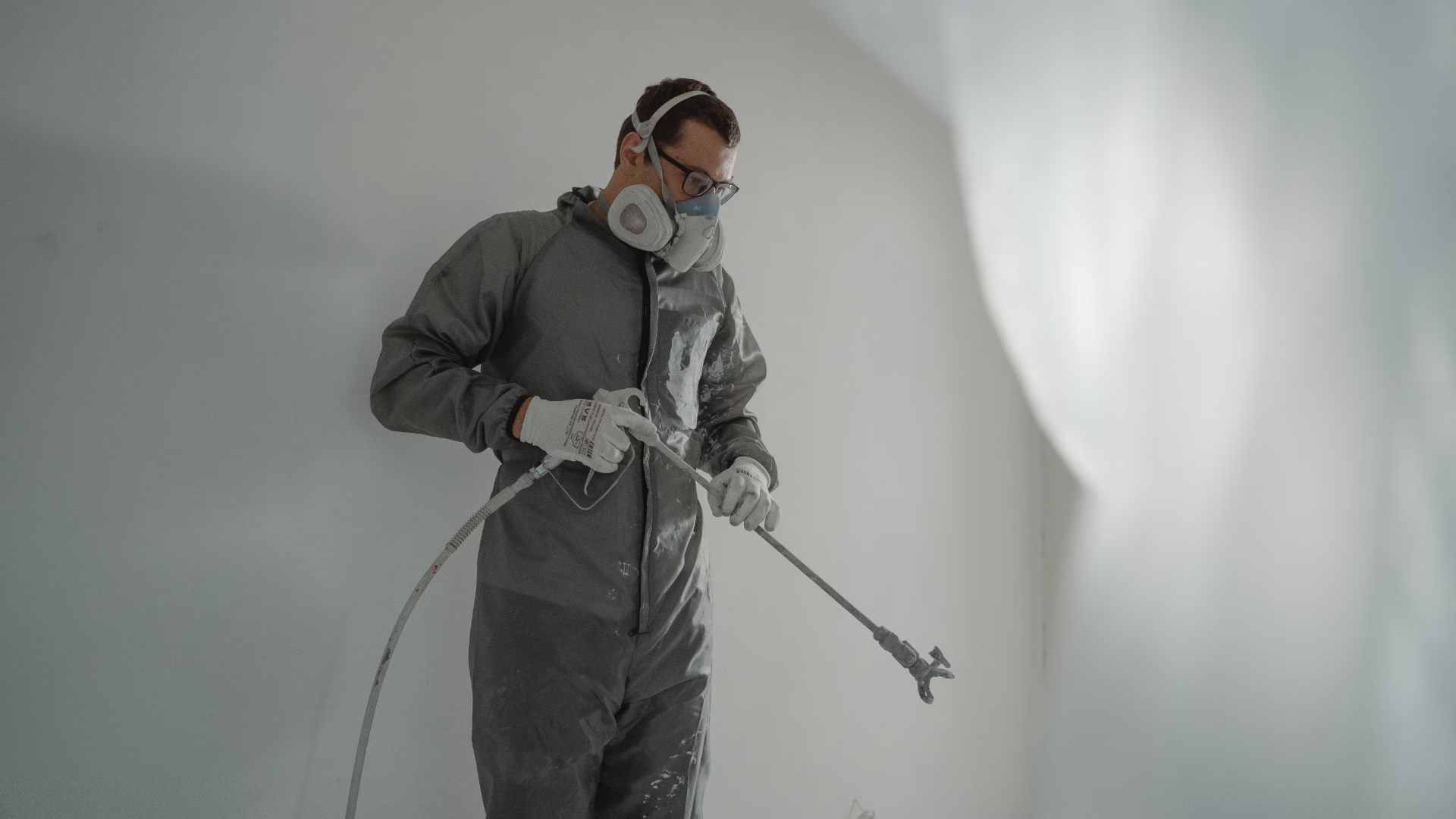
What is EPA RRP certification, and who needs it?
EPA RRP certification is a federal requirement that protects residents from lead dust created during renovation, repair, and painting in pre-1978 buildings. Doing paid work that disturbs painted surfaces in those buildings without it violates federal law.
The program has two parts: firm certification (becoming a Lead Safe Certified Firm) and lead renovator certification for the person supervising each job. It applies to painters, remodelers, window installers, maintenance crews, drywall and flooring installers, and property managers who do covered work themselves.
Fifteen states and one Tribe run their own RRP programs in place of the federal one. Those states are AL, DE, GA, IA, KS, MA, MS, NC, OK, OR, RI, UT, VT, WA, and WI. If you work in one of them, check with the state agency first. If you work across several states, you may need both EPA and state certification.
Understanding the RRP rule and Lead Safe Certified Firm requirements
Lead-based paint was common before 1978, and disturbing it creates hazardous dust. HUD's American Healthy Homes Survey II estimated that 34.6 million U.S. homes contain lead-based paint. Lead dust can cause irreversible neurological damage in children and cardiovascular problems in adults.
Covered work includes sanding, scraping, and any job that disturbs more than 6 square feet of interior surface per room or 20 square feet of exterior surface. Window replacement and demolition are covered regardless of size. Lead-safe work practices apply to all of it.
Your firm must be a Lead Safe Certified Firm before starting covered work. You apply to EPA and pay a fee, currently $300 for a renovation firm. Certification lasts five years and does not transfer to a new owner. If ownership changes, the new owner must submit a new online application.
Once certified, your firm is responsible for:
- Assigning a certified renovator to each project
- Using lead-safe work practices on every covered job
- Delivering required pre-renovation education to owners and occupants
- Keeping detailed project records
Becoming an EPA Lead Renovator
Every covered project needs a certified renovator who supervises workers and verifies that containment, cleanup, and documentation are done correctly. The role carries real legal responsibility.
For initial certification, renovators take an 8-hour course that includes 2 hours of hands-on training. The course covers:
- Lead hazards, health effects, and exposure risks
- RRP rule requirements and applicable state rules
- Lead-safe containment and work practices
- Cleaning and cleaning verification
- Required documentation and pamphlet distribution
Some providers offer a hybrid format. Lecture content is delivered online, but you still complete the hands-on skills, assessment, and final exam in person.
To get your lead renovator certification:
- Find an EPA-accredited training provider using EPA's training search.
- Book a class that fits your project schedule.
- Complete the full course, including classroom and hands-on exercises.
- Pass the exam and the hands-on skills assessment.
- Keep your course completion certificate. It serves as your certification credential.
The certificate belongs to the individual, not the firm. Your firm should keep a copy in its compliance records.

Choosing an EPA-accredited training provider
Confirm accreditation before you pay. An EPA-accredited training provider appears in EPA or state databases and teaches from approved curricula. EPA revised its model initial course in 2026 to reflect updated dust-lead action levels, so ask providers whether their materials are current.
Also compare class size, instructor experience, and post-class support such as replacement certificate copies. Book classes in a slower work month so you can keep a certified renovator available for every active job.
Know the format differences before you enroll:
- Initial course: 8 hours, hands-on training required, valid for 5 years.
- Refresher with hands-on training: 4 hours, valid for 5 years.
- Online refresher without hands-on training: valid for 3 years. Your next refresher must include hands-on training.
Firm certification process and day-to-day compliance
Training alone isn't enough. The firm must be certified, and lead-safe procedures must be part of daily operations before any covered work starts.
To become a Lead Safe Certified Firm:
- Confirm whether your state runs its own program. If it does, apply to your state authority.
- Otherwise, apply to EPA online through the Central Data Exchange (CDX) portal.
- Submit the application and fee with your business legal name, DBA, contact details, responsible official, and acknowledgment of RRP rule obligations.
- Wait for approval before doing any covered work. EPA says certificates are typically emailed within a couple of weeks, so apply well ahead of your first job.
Once approved, you can use the Lead-Safe Certified Firm logo. EPA also maintains a searchable database so property owners can verify your status. Don't advertise as certified until you have approval. EPA requires firms to apply for and receive certification before offering or claiming to perform covered renovations.
Daily duties include assigning a certified renovator to each project, training employees on the job, following containment and cleanup standards, and providing the EPA Renovate Right pamphlet. Deliver the pamphlet to owners and occupants no less than 7 days and no more than 60 days before work begins.
Document everything:
- When the pamphlet was delivered
- Who the certified lead renovator was
- Cleaning verification results
Renewals, recordkeeping, and avoiding costly RRP violations
Staying compliant matters as much as getting certified. EPA enforces the RRP rule, and the maximum civil penalty under TSCA is $49,772 per violation, per day.
Individual renewal: Take your refresher before your certificate expires. The new certification period runs from the date of training, so taking it early doesn't carry over leftover time. If your certificate lapses, you must retake the full 8-hour initial course.
Firm renewal: Renew before your five-year period ends. Your new certification begins when the old one expires, so applying early costs you nothing. An incomplete or late application means you can't perform renovations until EPA approves it. Update changes such as your firm's name or address within 90 days.
Recordkeeping: Keep records for at least three years after each project, including:
- Training certificates for all employees
- Proof of pre-renovation pamphlet delivery
- Cleaning verification records
- Worker training logs
Practical ways to avoid violations:
- Confirm the property's build date before work begins
- Screen for previous lead testing or abatement
- Use proper containment, and never use open-flame burning or power sanding without HEPA attachments
- Audit randomly selected projects on a regular schedule