7 Tips to Get Paid Faster by Property Managers

If you’ve ever completed a repair on the first of the month and waited until mid-February to see the payment hit your bank account, you understand the cash flow challenges facing maintenance pros, cleaners, and contractors working with property management companies in 2024.
Understanding and applying the basic principles of property management can help vendors avoid payment delays and build stronger relationships with property managers.
The reality is that many vendors operate on razor-thin margins. When property managers take 45–60 days to process payments, it stalls payroll, delays materials purchases, and puts growth plans on hold. Streamlining payment processes offers significant financial benefits for both vendors and property managers, such as improved cash flow and reduced administrative costs. You did the work. You deserve to get paid—without the constant follow-up and financial stress.
This article delivers 7 practical, easy-to-implement tactics that help vendors consistently get rent paid within 7–14 days instead of 30–60. These aren’t generic small-business tips. They’re based on real patterns in property management workflows—work orders, approval chains, and accounting cycles—that determine when your invoice actually gets processed. Let’s start with the most overlooked factor in payment timing.
Align Your Invoices With Property Management Companies’ Accounting Cycles
Most property management companies close their books on a predictable schedule—typically the 1st–5th, the 15th, or the last business day of each month. Their accounting team processes vendor payments in batches, often running ACH transfers on specific dates like the 10th and 25th. If you submit an invoice the day after their payment run, you’re automatically waiting another two weeks minimum.
The fix is simple: ask upfront and align your timing accordingly.
When onboarding with a new property manager, ask directly: “When do you usually process vendor payments each month?” Most will tell you their schedule without hesitation. Common patterns include:
- ACH runs on the 10th and 25th of each month
- Payment batches processed every Friday
- Owner disbursements and vendor payments on the 1st and 15th
- Monthly closes on the 5th, with payments released by the 10th
Once you know their cycle, submit invoices within 24 hours of job completion and at least 3–5 business days before their next scheduled payment batch.
Example: If their accounting run is on the 10th, don’t wait until the 9th at 10pm to send your invoice. Submit by the 6th or 7th with all required documentation attached. This gives the property manager time to review, approve, and queue your payment before the batch runs.
This single adjustment—timing your invoices to their cycle instead of your own—can make a significant difference in how quickly you get paid, often cutting payment delays in half without any negotiation or relationship changes.
2. Use Their Preferred Tools and Formats (So Your Invoice Isn’t “Stuck”)
Many property managers rely on specific property management software like AppFolio, Buildium, Propertyware, or custom portals to track maintenance requests, approve work, and process payments. Invoices that don’t match their workflow often sit unapproved—not because anyone is ignoring you, but because they require extra administrative tasks to process.
Ask every new client: “Do you prefer invoices via email, portal upload, or attached to each work order?” Then strictly follow that method for every job.
Here’s how to ensure your invoices move through their system quickly:
- Use clear, consistent file naming that includes the date, property, and job type (e.g., “2024-03-12-Unit-207-Leak-Repair-INV-1048.pdf”)
- Include itemized line items that match the work order’s description and codes—separate labor, materials, and trip charges exactly as they appear in their system
- Reference the original work order number prominently on your invoice so the approver can match it instantly
- Submit in PDF format unless they specifically request something else—it’s universally readable and maintains formatting
- If they use a vendor portal, upload directly there rather than sending a separate email that might get buried
Property managers juggling multiple properties know that managing properties can quickly become overwhelming, especially when dealing with various vendors and documentation. When your submission fits seamlessly into their existing rent collection process, it gets approved faster and helps streamline the workflow of managing properties.
3. Make Approval Easy: Document Every Job Clearly
Property managers often can’t approve payment until they can prove to property owners that the work was completed correctly. If your invoice arrives without supporting documentation, it goes into a “needs follow-up” pile—and that pile moves slowly.
Send a complete package with every invoice. This isn’t about creating extra work for yourself; it’s about eliminating the back-and-forth questions that delay payment by days or weeks.
Your documentation package should include:
- Before and after photos (dated and clearly labeled, e.g., “Kitchen sink – before,” “Kitchen sink – after”)
- A short work summary describing what was done, what parts were used, and any relevant observations
- Materials list with costs if applicable
- Time on site (arrival and departure)
- Reference to the original work order number, unit number, and property name on both the invoice and all supporting documents
- All photos and documents attached in a single PDF or a clearly named folder—not scattered across multiple emails
- For emergency repairs, include even more thorough documentation, such as a detailed timeline of the issue, immediate actions taken, and any communication with tenants or property managers.
Example: For an AC repair completed on July 14, 2024, your job summary might read:
“Responded to work order #4821 for Unit 12B at Maple Gardens (no cooling). Diagnosed failed capacitor on condenser unit. Replaced capacitor (25/5 MFD, $42 part cost). System tested and cooling normally at departure. Total time on site: 1.5 hours.”
Clear and detailed documentation is especially important for emergency repairs, as property managers must quickly identify and repair maintenance issues that can negatively impact tenant health.
This level of detail takes two minutes to write and saves days of waiting. When the property manager can approve your invoice without asking a single question, they will.

4. Set Clear Payment Terms Upfront—Before the First Work Order
Many vendors never discuss payment terms during onboarding—then are surprised by 45-day cycles, “owner approval required” delays, or mysterious holds on their invoices. The time to negotiate is before you accept your first work order, not after you’ve already completed $3,000 in jobs.
Approach the conversation professionally, framing your terms as standard business practice rather than a demand.
- Ask about their current vendor payment process: “What’s your typical turnaround from invoice approval to payment?”
- Propose specific terms: “Net 15 via ACH after invoice approval” is clearer and more enforceable than vague language like “payment on receipt”
- Get your terms in writing—either in a vendor agreement or confirmed via email before starting work
- Include your late fees policy if appropriate and lawful in your state (check local regulations first). Be sure to address grace periods, as some states—such as New York—require a specific grace period before late fees can be applied, and late fee restrictions can vary widely.
Sample language: “To keep our pricing competitive for you, we rely on payments within 15 days of invoice. Does that align with your current process?”
Larger property management companies may only agree to Net 30—that’s often non-negotiable. But even with Net 30 terms, you can still hit their earliest possible payment cycle by aligning your invoice timing (Tip 1) and documentation (Tip 3) to their schedule.
It’s essential to understand and comply with all legal issues related to payment terms and late fees, including federal, state, and local laws, to avoid potential disputes or penalties.
Setting expectations upfront prevents the uncomfortable conversations later. It also signals that you run a professional operation—which makes property managers more likely to prioritize your invoices alongside reliable tenants who consistently pay their monthly rent on time.
Offer Convenient, Modern Payment Options for Property Management
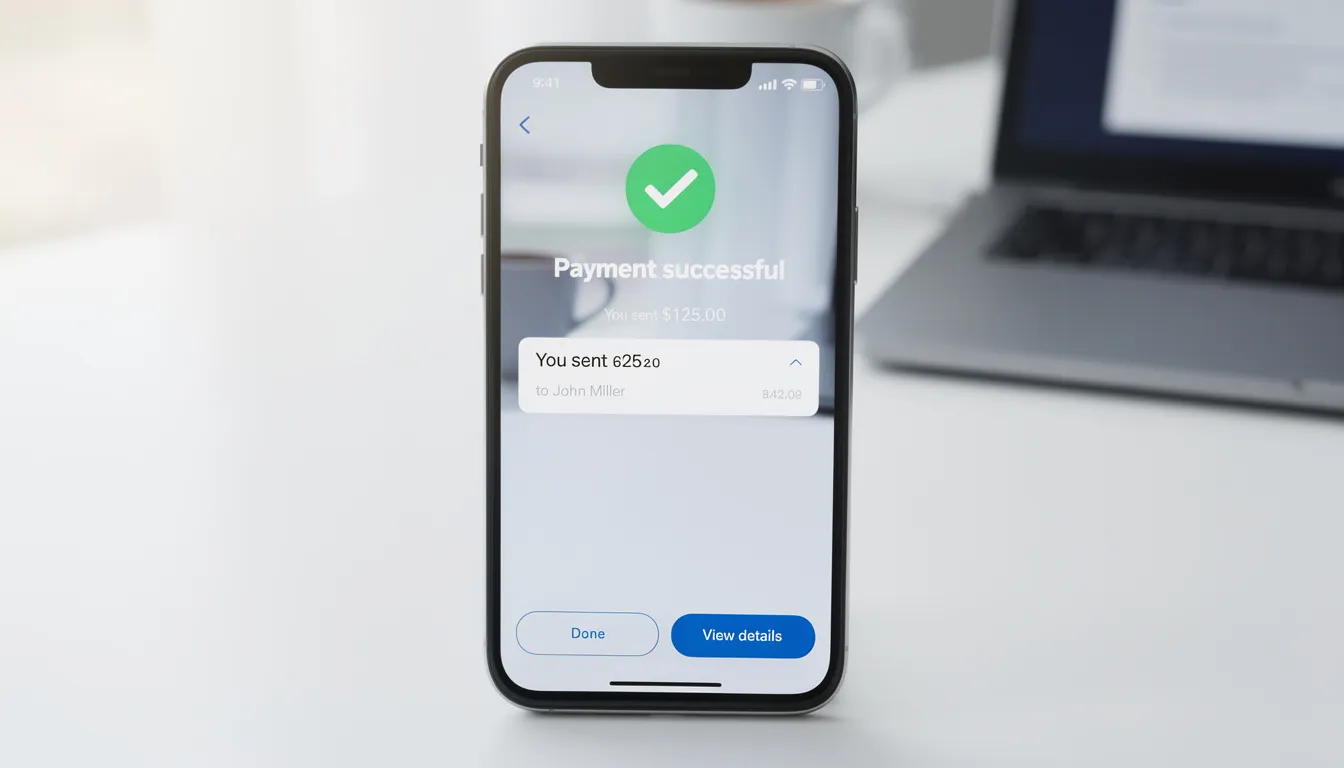
The easier it is for a property manager to pay you—especially when they’re managing multiple properties and dozens of vendors—the more likely your payment gets processed on time. Friction in the payment process creates delays.
Make ACH transfers your primary payment method. They’re fast, low-cost, and integrate seamlessly with most property management software. Just as property managers streamline paying rent for tenants by offering online portals and automated options, you should make it just as easy for them to pay you.
- Include your complete bank details (routing number, account number, bank name) on every invoice—don’t make them hunt for it
- Have a filled-out W-9 on file with every property management client from day one
- Create a standardized invoice template with clear remittance instructions and your contact email for payment questions
- If you accept card payments or payment links, mention them as secondary options—but confirm they won’t violate the management company’s policies or owner accounting rules first
- Avoid ad-hoc payment methods like peer-to-peer apps (Venmo, Zelle for personal accounts) that complicate bookkeeping and create reconciliation headaches
Security note: Share your banking details through secure channels—a PDF attachment or your vendor portal profile—rather than in the body of emails that could be forwarded or compromised.
When you offer flexible payment options that match how property management companies already operate, you remove one more barrier between job completion and cash in your bank account. Just as it's crucial for property managers to ensure the tenant pays rent on time, making it easy for them to pay you helps guarantee your own payment obligations are met promptly.
Leveraging Property Management Software and Technology to Accelerate Payments
In today’s fast-paced real estate market, leveraging property management software and technology is a game-changer for property management companies and property owners who want to accelerate payments and streamline the rent collection process. Modern property management tools empower property managers to offer flexible payment options, automate rent reminders, and provide secure online payment portals—making it easier than ever for tenants to pay rent on time and for property owners to collect rent efficiently.
By implementing property management software, property managers can significantly reduce late payments and minimize missed payments, which directly improves cash flow and financial stability. Automated systems send timely reminders to tenants, helping ensure that rent payments are made on or before the due date. This not only increases the likelihood of on time payments but also boosts tenant satisfaction, as residents appreciate the convenience and transparency of online payments and digital communication.
Effective property management also means staying up to date with every aspect of your rental property. With property management software, property owners and managers can track rental income, monitor maintenance requests, and address tenant concerns in real-time. This level of oversight ensures that maintenance responsibilities are handled promptly, reducing the risk of costly repairs and enhancing resident satisfaction. Additionally, property management tips often recommend offering multiple payment methods—such as bank transfers, credit card payments, and other online payments—to give tenants the flexibility they need and further reduce the chances of late rent payments.
Another key advantage of property management software is its ability to help property managers and property owners stay up to date with legal procedures and compliance requirements. Automated record-keeping and reporting features make it easier to regularly review lease agreements, security deposits, and payment histories, ensuring that your property operations remain compliant with all relevant regulations.
Open and honest communication is at the heart of successful property management. Property management software enables property managers to keep tenants informed about rent payments, maintenance updates, and important notices, fostering trust and long-term relationships. This proactive approach not only attracts quality tenants but also encourages them to consistently pay rent on time, reducing turnover and vacancy rates.
Finally, leveraging technology leads to significant cost savings and operational efficiency. By automating routine tasks like rent collection and maintenance scheduling, property managers can focus on strategic initiatives such as tenant screening, attracting quality tenants, and maximizing rental income. The valuable insights provided by property management software—such as detailed reports on cash flow, expenses, and rental history—empower property owners to make informed decisions and manage their rental property effectively.
In summary, adopting property management software and technology is essential for property management companies and property owners aiming to accelerate payments, improve the rent collection process, and enhance tenant satisfaction. By offering flexible payment options, automating reminders, and utilizing online payment portals, property managers can reduce late payments, minimize missed payments, and ensure a steady stream of rental income. Staying up to date with the latest technology and best practices not only benefits tenants but also strengthens the financial stability and operational efficiency of your property management business.
6. Become a “Priority Vendor” by Being Reliable and Proactive
Property managers naturally prioritize vendors who solve problems quickly, communicate clearly, and don’t create extra administrative work. When you earn “priority vendor” status, your invoices move to the front of the line—especially during tight month-end deadlines when they’re processing rental income and owner disbursements.
Building this status takes time, but the behaviors are straightforward:
- Show up on time, every time—or communicate immediately if you’ll be late
- Close the loop after every job with a quick text or email confirming completion
- Provide accurate ETAs for complex repairs rather than vague “sometime this week” timelines
- Proactively notify managers of delays, scope changes, or cost differences before doing extra work—never surprise them with a higher invoice
- Respond quickly to emergency calls like water leaks or HVAC failures, even if it’s inconvenient
- Maintain open and honest communication about what you can and can’t do
- Proactively suggest preventative maintenance to property managers to help them avoid costly repairs and maintain property integrity
When managers trust you, they push your invoices through first. They know your documentation will be complete, your pricing will match the estimate, and approving your payment won’t create problems with property owners.
Example: A vendor who consistently provides 24-hour turnaround on emergency water leak repairs—with clear documentation and accurate invoicing—will earn more work and faster payments over a 6–12 month relationship than one who’s cheaper but unreliable.
Just as building positive relationships with tenants leads to higher tenant satisfaction, building strong relationships with property managers leads to faster payments. Effective communication with property managers is just as essential as it is with tenants for successful property management and ensuring you get paid promptly.
This is about operational efficiency for both parties. The less time they spend managing you, the faster you get paid.

7. Follow Up Systematically—Without Damaging the Relationship
Many invoices go unpaid simply because they’re buried in an overflowing inbox—not because anyone is intentionally delaying payment. Property managers handling maintenance requests, tenant concerns, and vacant properties don’t always have time to stay up to date on every vendor invoice. That’s why systematic follow-up matters.
Create a simple follow-up cadence that’s professional and persistent without being aggressive:
- Day 7 past due date: Friendly check-in. “Hi Sarah, just confirming that Invoice #1048 for the July 3 roof repair at 1820 Elm Street has everything you need for approval. Let me know if you need any additional documentation.”
- Day 15 past due date: Firmer reminder referencing your agreed terms. “Following up on Invoice #1048, which is now 15 days past due. Per our agreement, payment was expected within Net 15. Please advise on timing.”
- Day 21+ past due date: Escalation email or phone call, potentially to a supervisor or accounting contact if available.
Track all invoices and follow-ups in a simple spreadsheet or basic accounting software. Note the invoice date, due date, follow-up dates, and responses. Nothing should slip past 30 days unnoticed. By staying organized and following up systematically, you can save money by reducing the risk of unpaid invoices and minimizing wasted time.
When to pause work: If a client develops a pattern of chronically late payments despite your follow-up, it’s appropriate to pause new non-emergency work until outstanding invoices are resolved. Communicate this boundary diplomatically: “I’d love to continue supporting your properties. Once we get caught up on the outstanding balance, I’ll be ready to take on new work orders.”
This approach protects your financial stability without burning bridges. Most property managers respect vendors who run their business professionally—because they expect the same from their quality tenants.
Bringing It All Together: Turn One-Off Jobs Into Fast-Paying Partnerships
These seven tips work together as a system: better invoice timing, clean documentation, clear payment terms, convenient payment methods, strong relationships, and organized follow-ups. When each piece is in place, you shift from chasing checks to operating with predictable 7–14 day payment cycles.
The goal isn’t just faster payments on individual jobs—it’s building the kind of vendor relationship where property management companies prioritize working with you because you make their jobs easier.
Don’t try to overhaul everything at once. Pick 2–3 changes to implement on your very next job:
- Confirm the accounting cycle with your current PM clients this week
- Attach before/after photos to your next invoice
- Add your ACH details and W-9 to your standard invoice template
- Set up a simple tracking spreadsheet for open invoices
Just as clear processes are essential in other areas of property management—like attracting potential tenants, screening prospective tenants, working with rental property owners, conducting a thorough tenant screening process, collecting a security deposit, and ensuring a smooth lease signing—having robust payment processes is key to getting paid faster. Developing thorough tenant screening criteria establishes a robust foundation for selecting tenants; similarly, implementing strong payment procedures lays the groundwork for reliable, timely payments.
Small adjustments compound over time. Within a few months, you’ll spend less time worrying about when payments will arrive—and more time growing your business.